

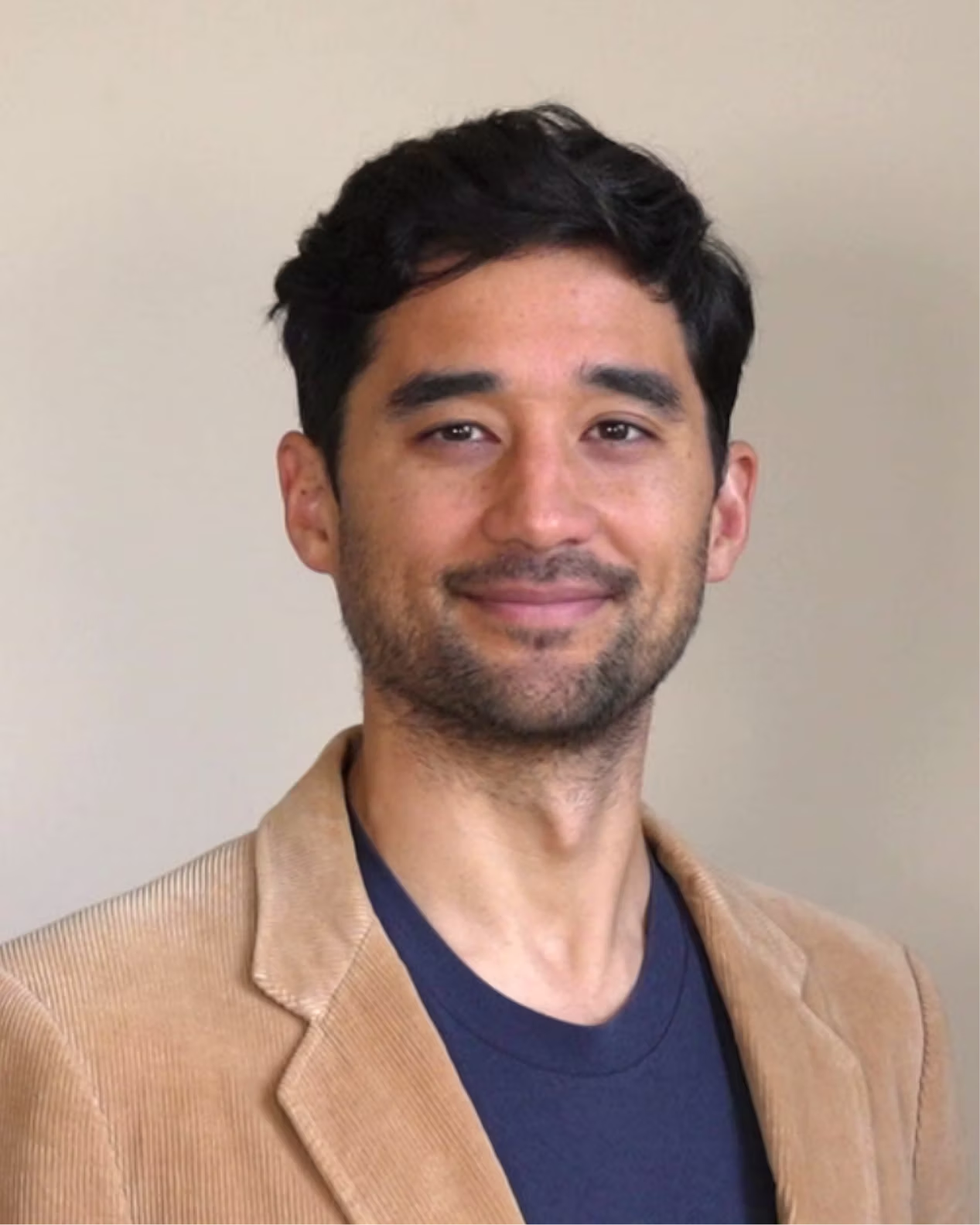
Research fixer and professional career-derailer.
Previously ran Protocol Labs’s research, metascience, and special projects teams, and built the Network Goods venture studio.
Atlas Ignota is a nonprofit designing and staffing mitigations to society-scale AI risks that no existing institution is built to address.
Growing AI capabilities create predictable pressure on society’s defenses — and in many places the response is too little, too slow, but not yet too late.
We bridge the gap when expert problem-solvers know exactly what the solution looks like but the relevant stakeholders might consider that solution unworkable.
Our approach only works when there’s a clear definition of what “done” or “solved” looks like. We may work at the edges of wicked problems, but we’re neither equipped nor resourced to take them on in their entirety.
We believe it could turn out great, but we don’t assume it will happen automatically.
For us, improving civilization for all people comes first.
We don’t assume the authority to adjudicate which potential end states are “good.” We simply focus on shifting the balance toward defense.
We’d rather be told our favorite idea is hopelessly flawed than be applauded for the cleverness of a non-viable idea; our only priority is impact.
We know far less than what we don’t know, and somewhere out there someone has deep relevant expertise. We find them, listen, probe, collaborate, and help their work go further.
If this is how you’d want to work, we’re hiring.
See open rolesPlans never survive first contact with reality unchanged. We’d rather stress-test a good plan early, learn what breaks, and adapt than perfect one in isolation.
Before asking others to spend their precious time, trust, resources, or political capital, we do the work to minimize their burden and risk.
Big, consequential interventions face real inertia. We reduce friction, risk, and obstacles so the best choice for society is the easy choice.
We’re respectful in how we push, but persistent about what matters in order to move important decisions into action. Delays and barriers are merely prompts for a better alternative.
We’re funded philanthropically; we don’t take equity. Our only stake is in the outcome, and any claim we make on spin-outs is to guarantee we comply with our public goods mandate.
The Atlas team, while at Atlas Computing (our predecessor organization), began by working on technical gaps in AI resilience, specifically AI-first approaches to scaling formal methods and secure hardware for provable AI security.
That work revealed a broader pattern of experts highlighting “someone should obviously be doing x” but there was no obvious responsible party to staff and house those efforts. The gaps were institutional. Field strategy grew out of a proceduralization of a side effort in which Atlas Computing found three founders and matched them to problems, solution directions, and initial funding.
Research fixer and professional career-derailer.
Previously ran Protocol Labs’s research, metascience, and special projects teams, and built the Network Goods venture studio.
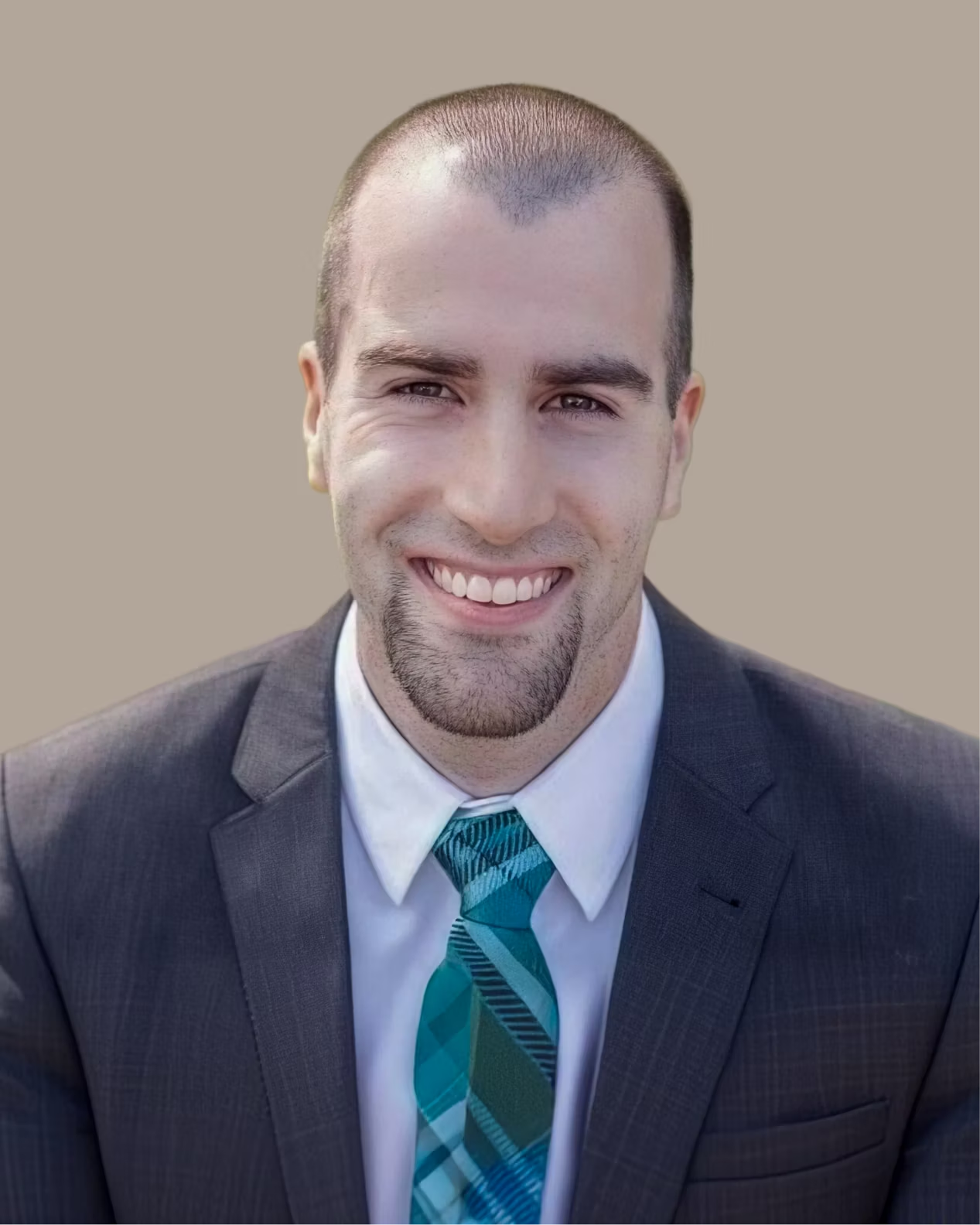
Cornell M.Eng, mechanical engineering · UMD M.S., neuroscience and cognitive science
Atlas is a wholly owned subsidiary of Convergent Research, a 501(c)(3) nonprofit that specializes in incubating and operating Focused Research Organizations (FROs) that are specifically designed to unblock neglected scientific bottlenecks on short timescales.
The way we work together: Atlas finds gaps and de-risks solutions leveraging Convergent’s network and expertise, and when the problem is best met by a FRO, Convergent will help build and run it. Our teams coordinate closely on funding and projects but keep distinct identities and mandates.
Our work is funded by foundations and philanthropists, including Coefficient Giving, the Survival and Flourishing Fund, the Effective Institutions Project, and the OpenAI Foundation.
Atlas is a non-profit organization. Send a risk, bring your skills, or fund the work.
Some funders come to Atlas with a concern: cyber-resilience, information integrity, or another AI risk no one clearly owns. Atlas maps concern to a concrete intervention: scoped, tested, and ready for the right owner.
Apply to join Atlas full-time as a Field Strategist or support an existing effort. Atlas needs people who can scope problems, pressure-test plans, and convene the stakeholders who make a fix real.
Tell us about a society-scale AI risk where the owner is missing. What’s the clearly desirable outcome that needs Atlas to find a path forward?